
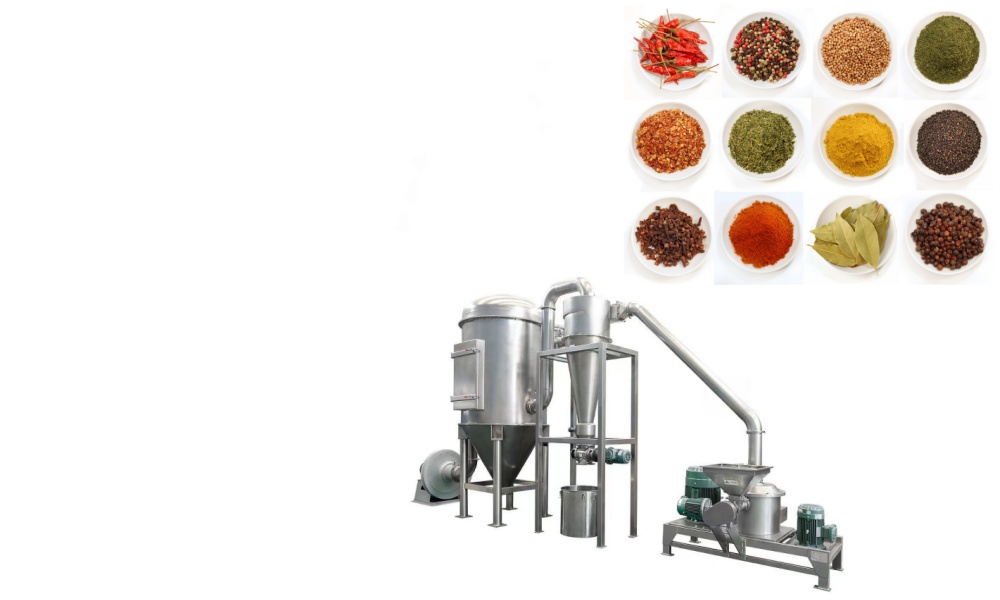
Introduction: The Pain of Lost Aroma in Traditional Grinding
For spice processors, the biggest paradox is this: grinding is meant to release flavor, but the process itself often destroys it. Traditional methods, such as high-speed hammer mills or stone grinders, face three major pain points when processing spices like Sichuan pepper, star anise, or cinnamon. First, there is high-temperature volatilization, where friction can spike the chamber temperature to over 50°C, causing precious volatile oils such as limonene and anethole to evaporate, with losses exceeding 30%. Second, there is inconsistent particle size, where a wide distribution leads to a gritty mouthfeel and unstable flavor release in subsequent applications. Finally, there is oxidative rancidity, where high heat and exposure to air accelerate the oxidation of oils in spices, drastically shortening shelf life.
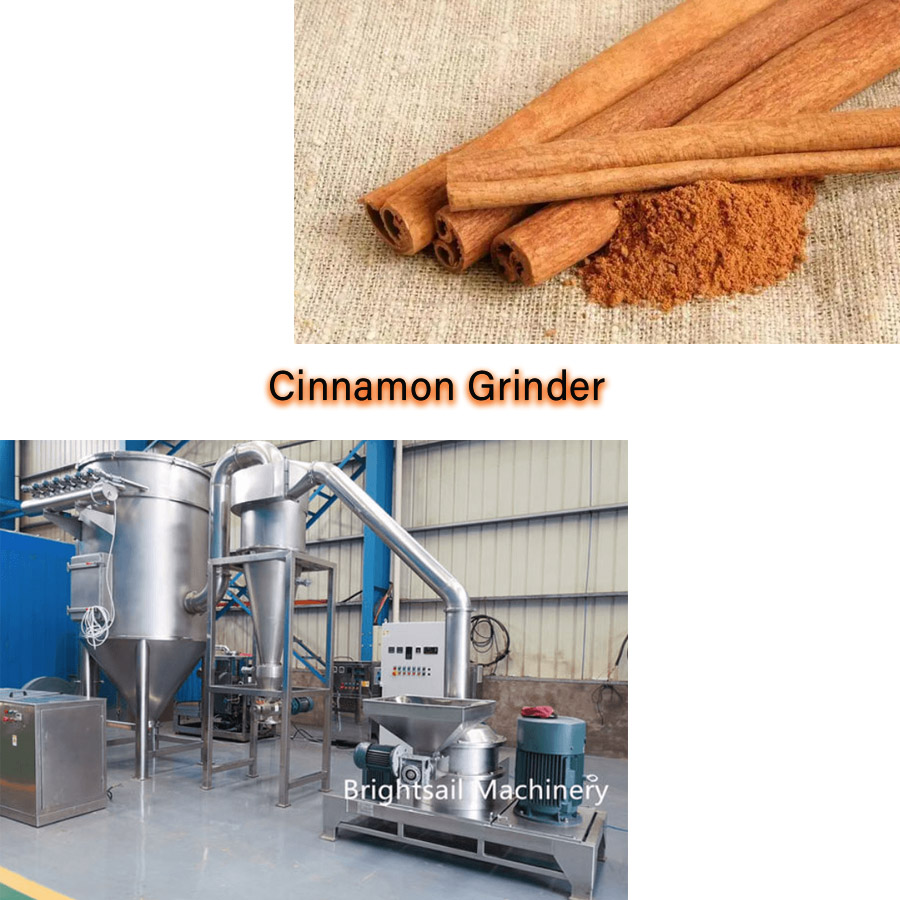
The Breakthrough: Low-Temperature Ultrafine Grinding
The revolution of air classifier mill grinding technology lies not only in achieving fineness but also in preserving freshness while grinding. Modern air classifier mill pulverizers, especially those equipped with cooling systems, are completely changing this landscape. The new generation of low-temperature air classifier mill pulverizers can precisely control the chamber temperature between 20°C and 40°C during the grinding process. Using air-cooling or water-circulation systems, the equipment effectively dissipates the heat generated, ensuring that heat-sensitive flavor compounds are completely preserved.
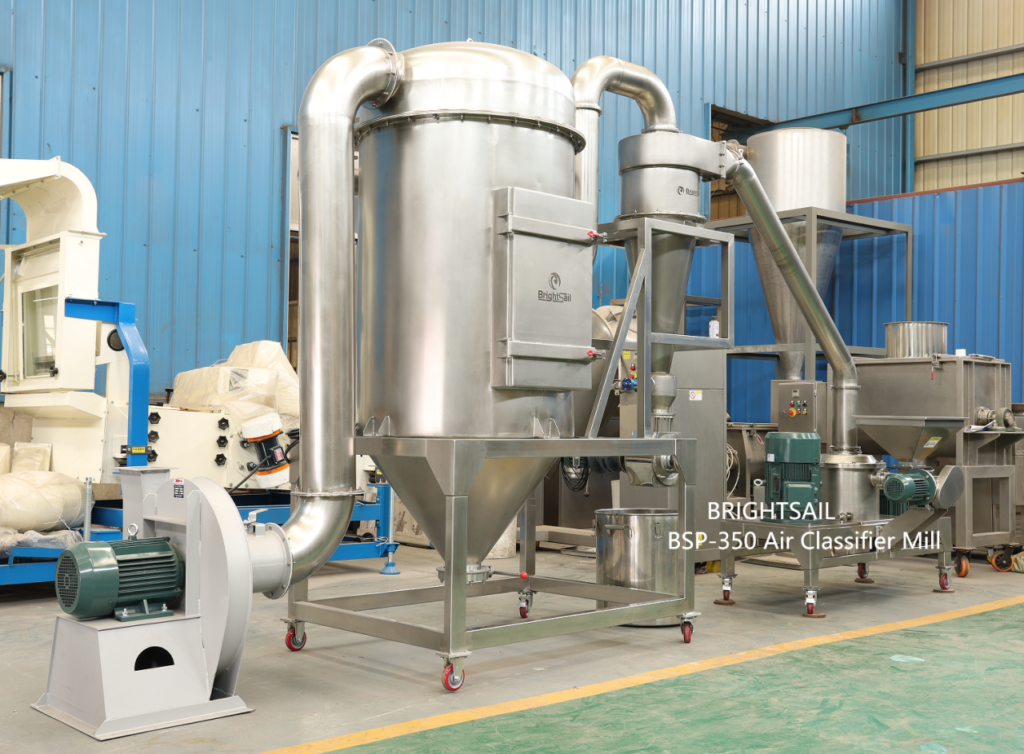
Core Technology: How Aroma is Locked In
Locking in aroma and extending shelf life relies on three key technological breakthroughs. The first is precise particle size control. To achieve a smooth mouthfeel without grittiness, spices need to be ground to 100 to 200 mesh, or 0.075 to 0.15 millimeters. Ultrafine pulverizers utilize built-in high-precision classifiers to achieve a narrow particle size distribution, meaning every single powder particle releases flavor uniformly, avoiding the common pitfall of traditional grinding where coarse particles are tasteless and fine ones are overly bitter or pungent. The second is low-temperature preservation of essential oils.
Taking Sichuan pepper as an example, its aroma mainly comes from sanshools and volatile oils. In traditional grinding, the aroma degrades rapidly. However, with ultrafine pulverizers using circulating cooling, the essential oil retention rate can reach over 80%. This cold grinding process ensures that capsaicin in chili peppers and cinnamaldehyde in cinnamon remain locked within the powder. The third is anti-oxidation and shelf life extension. After air classifier mill , the specific surface area of spices increases dramatically. If not handled properly, this can actually accelerate oxidation.
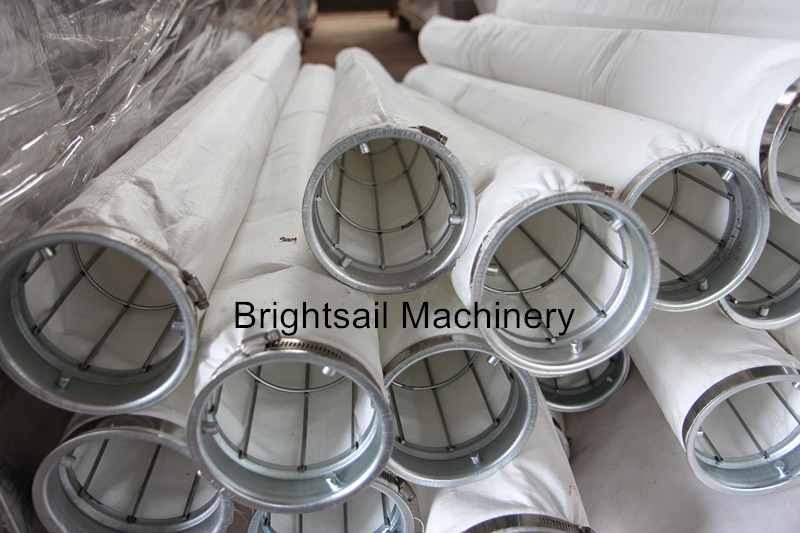
However, advanced technology uses instantaneous grinding and heat isolation to deactivate the peroxidase activity that causes oil rancidity. Research indicates that proper air classifier mill grinding does not lead to aroma loss; instead, during subsequent storage, the loss of aroma is significantly lower compared to traditional coarse powders.
Applications: From Kitchen to Factory
This technology is not only suitable for small-scale grinding but also excels in industrial production. In the field of seasoning blends, it ensures flavor consistency in every packet. In the production of spice extracts, it serves as a pretreatment before extraction, significantly increasing extraction rates. In the functional foods sector, it micronizes dietary fiber to improve mouthfeel without destroying nutrients.

Conclusion
The spice grinding revolution is here. Ultrafine technology is no longer just about making big particles small; it is a precision science focused on flavor preservation. By controlling temperature and optimizing particle size, we can finally enjoy the delicate texture of spices while truly retaining nature’s original aroma.