

Introduction to Food Ultra Fine Powder Processing
- Food ultra fine powder processing requires precise particle size control to achieve desired product quality –
- Air classifier mill and jet mill are two common technologies used for ultra fine powder processing, offering significant advantages in terms of particle size distribution –
- The choice between air classifier mill and jet mill depends on the specific needs of the food processor, including the type of material, desired particle size, and production volume –
- Understanding the key differences between these technologies is crucial for selecting the most suitable solution for food ultra fine powder processing –
- Particle size distribution is a critical factor in food ultra fine powder processing, as it affects the final product’s quality, texture, and functionality –
Air Classifier Mill Technology
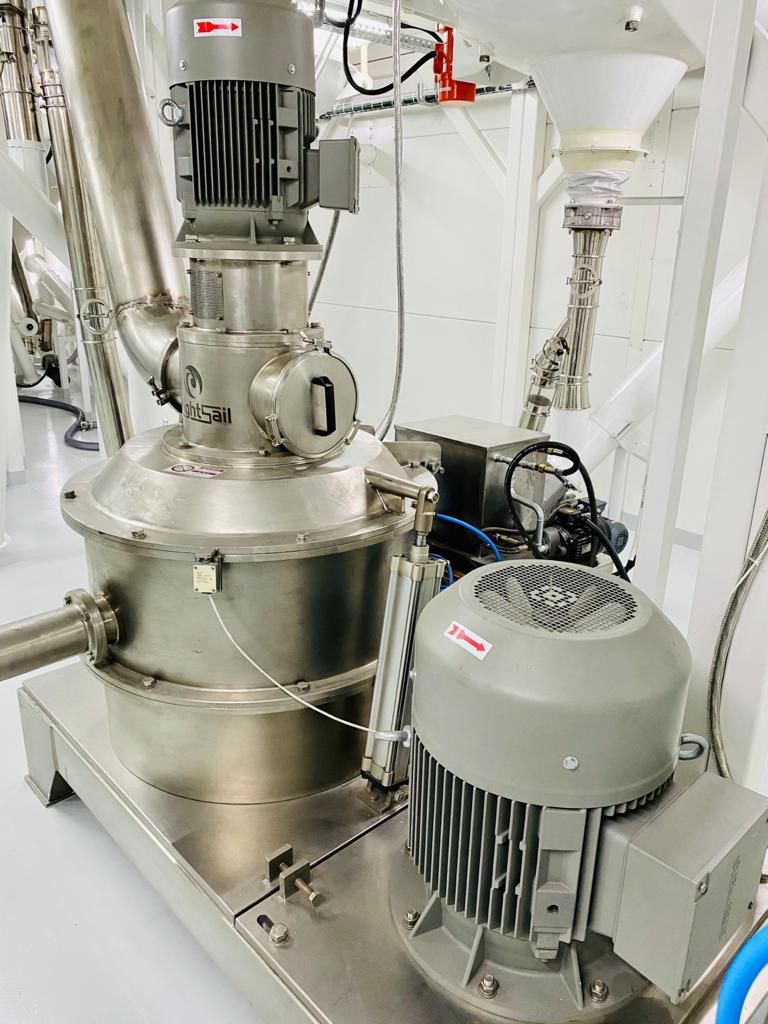
- Air classifier mill technology uses a combination of grinding and air classification to achieve precise particle size control –
- The air classifier mill consists of a grinding zone and a classification zone, where the feed material is ground and then separated into fine and coarse particles –
- The classifier wheel plays a crucial role in determining the particle size distribution of the final product –
- Air classifier mills are energy efficient and offer precise control over particle size, making them a preferred choice for food ultra fine powder processing –
- The air classifier mill’s ability to handle abrasive materials and produce fine powders with a narrow particle size distribution makes it an ideal solution for food processors –
Jet Milling System Overview
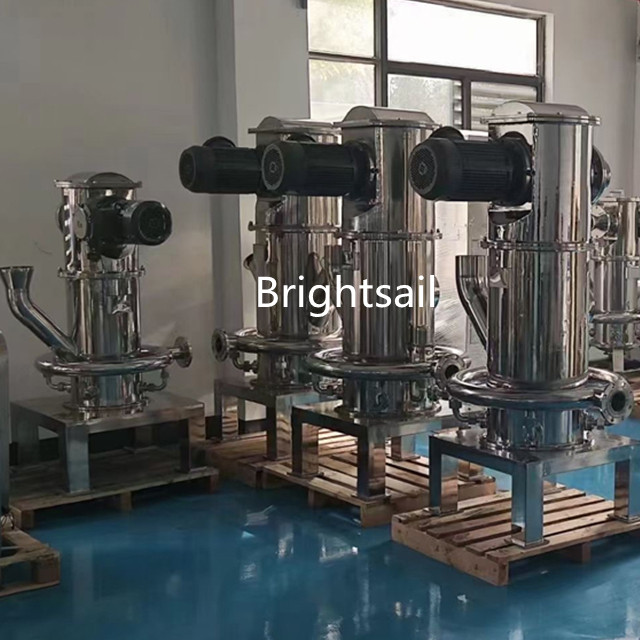
- Jet milling system uses compressed gas to accelerate particles and achieve ultra fine grinding –
- The jet milling system consists of a grinding chamber, a milling chamber, and a classification system –
- The feed material is injected into the grinding chamber, where it is ground into fine particles by the high-velocity gas stream –
- The particles are then separated into fine and coarse particles using a classification system, such as a rotary valve or a cyclone –
- Jet milling systems are capable of producing very fine powders with a narrow particle size distribution, making them suitable for food ultra fine powder processing –
Selection Recommendations:
- For prioritizing capacity and cost-effectiveness with fineness requirements above 20 microns, air classifier mills are more economical
- For pursuing extreme fineness, high purity, and uniform particle size with sufficient budget, jet mills are preferable
- For extremely heat-sensitive food materials, both require proper cooling systems
FAQ
1. How to address cleaning and cross-contamination?
Jet mills are easier to clean completely with no dead corners, suitable for multi-product production. Air classifier mills have more complex structures requiring careful cleaning. Both should use stainless steel construction and CIP systems for food applications.
2. How do they compare in energy consumption?
Air classifier mills typically use 50-70% of the specific energy of jet mills, making them more energy-efficient. However, jet mills may be more efficient when achieving the same fineness, requiring comprehensive evaluation based on product requirements.
3. What is the minimum achievable particle size?
Jet mills can typically achieve D97 <5 microns, even sub-micron levels. Air classifier mills generally reach minimum D97 of 10 microns, with special designs achieving 5-8 microns.