
Introduction
In the global food industry, Halal and Kosher certifications are more than religious compliance markers—they represent rigorous standards for ingredient purity, equipment cleanliness, and ethical production. For processors using air classifier mills (key equipment for precision particle size reduction), meeting these requirements is essential to access growing Halal and Kosher markets.
1. Understanding Halal & Kosher Principles for Equipment
- Does not contaminate products with non-Halal/non-Kosher substances.
- Thorough cleaning (rinsing) is required after handling non-compliant materials.
- Approved lubricants, sealants and consumables (e.g. food-grade, non-animal-derived materials) must be used.
Key Difference:
- Halal: Focuses on avoidance of pork, alcohol, and unslaughtered animal byproducts.
- Kosher: Includes stricter separation of meat/dairy/parve (neutral) lines; some rules apply to heat and absorption.
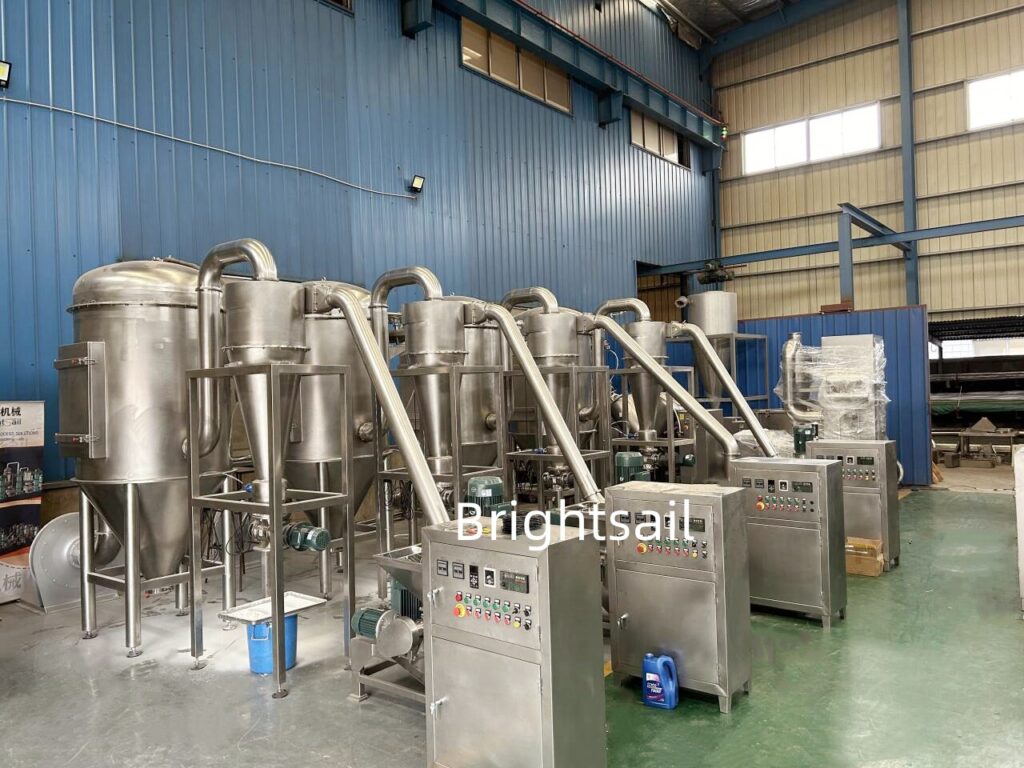
2. Certification Steps for Your Air Classifier Mill
Step 1: Pre-Certification Audit
- Material Review: Document all components in contact with the product (graders, seals). Ensure no non-compliant materials are present.
- Cleaning Validation: Where the facility processes non-certified products, establish a drainage protocol (typically requiring 3 or more batches of compliant material or deep cleaning) and record results.
Step 2: Production Process Controls
- Dedicated Production Line: Ideally, the facility should be exclusively dedicated to halal/kosher production. Where equipment is shared, kosher production must precede halal production following certified cleaning (daily/weekly).
- Temperature and Absorption: During kosher production, high-temperature processing may necessitate equipment ‘kosherisation’ (achieved through heating to achieve passivation). Consult the certifying rabbi.
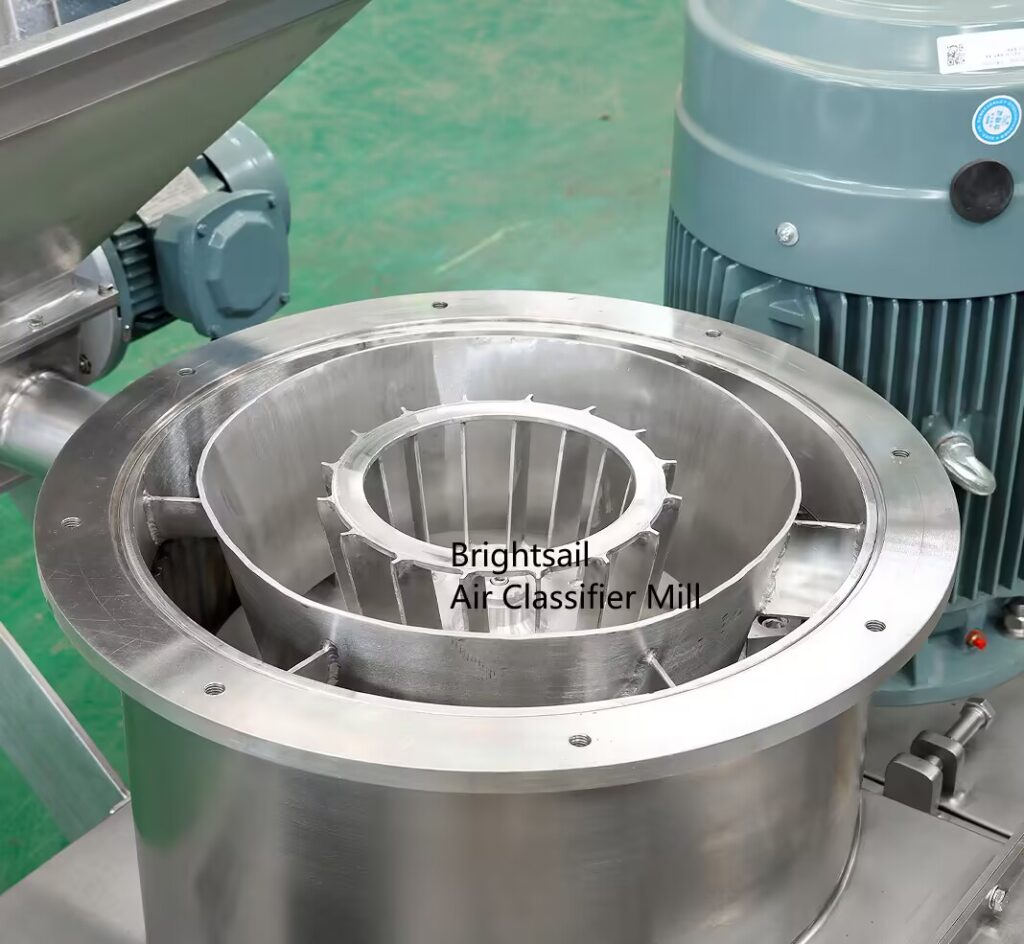
Step 3: On-Site Certification Inspection
- A Halal certifier or Kosher rabbi will inspect:
- Equipment cleanliness and construction.
- Ingredient supply chains.
- Sanitation logs and changeover records.
- Staff training on avoidance of cross-contamination.
Step 4: Ongoing Compliance
- Record Keeping: Maintain logs of production runs, cleanings, and material changes.
- Annual Audits: Most certifications require yearly renewals with surprise checks.
3. Design & Operational Tips for Air Classifier Mills
Select certified food-grade materials: Employ stainless steel construction, with gaskets certified by FDA/USDA and lubricants compliant with halal/kosher standards (synthetic or plant-based).
Minimise dead zones: Opt for grinders with smooth interior surfaces that are easily disassembled and cleaned. Air classifiers featuring CIP (clean-in-place) functionality offer particular advantages.
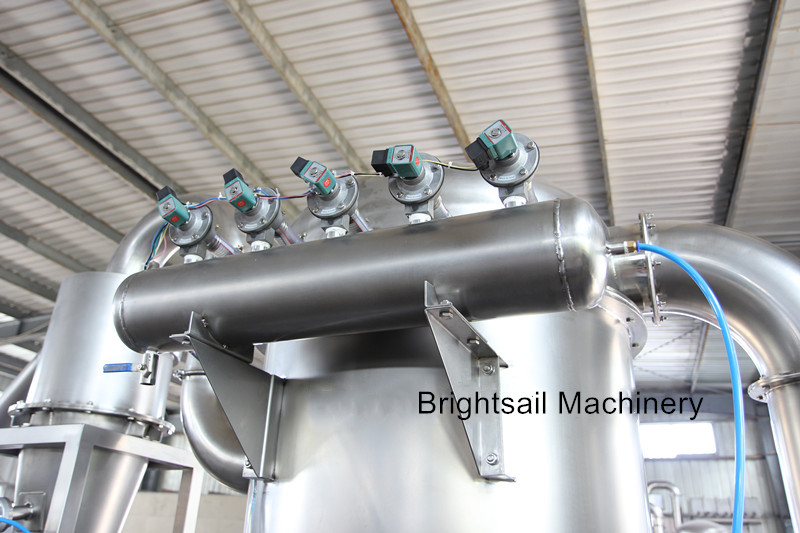
Maintain full documentation: Detailed records must be kept from the air source (ensuring oil-free operation) through to filter bags (avoiding animal fibres).
4. Common Pitfalls to Avoid
Do not equate ‘food grade’ with certification: Food grade does not automatically imply compliance with halal/kosher standards.
Do not overlook ancillary equipment: Gas supply systems, feeding devices and pipework must likewise be maintained in a contamination-free state.
Inadequate staff training: Even certified equipment may pose contamination risks if operated improperly.
Conclusion:
To obtain halal or kosher certification for air classifiers, the following conditions must be met:
Design and Material Selection: Utilise components that comply with specifications and are cleanable.
Process Validation: Establish purge protocols and dedicated production schedules.
Document Management and Audits: Implement meticulous record-keeping systems and cooperate fully with certification bodies.
Supplier Collaboration: Source equipment from experienced partners familiar with certification requirements.
By integrating these practices, the grinding process achieves the highest purity standards—opening market access to ethically conscious consumers worldwide.