

The Middle Eastern food industry has witnessed significant growth in recent years, with increasing demand for processed spices, flour, milk powder and speciality ingredients. Within this fiercely competitive market environment, powder processing technology plays a crucial role in both product quality and operational efficiency. Interestingly, an increasing number of food processing plants across the Middle East – from Saudi Arabia and the UAE to Iran and Turkey – are opting for Chinese-manufactured air-classifying mills to meet their grinding and classification requirements.
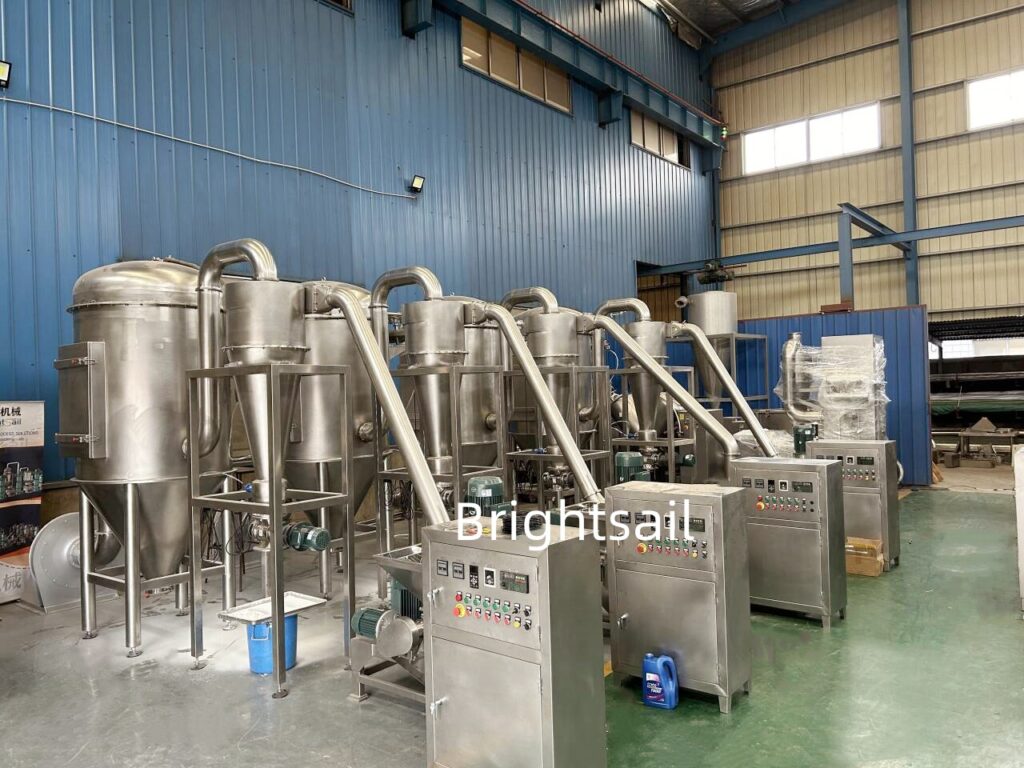
Key Reasons for the Preference
1. Cost-effectiveness
Chinese air classifiers typically command lower prices than their European and American counterparts—generally 30% to 50% less—without compromising core performance. For Middle Eastern manufacturers, particularly in highly competitive sectors such as spice blending or milk powder production, this cost advantage accelerates return on investment and affords greater budgetary flexibility for plant expansion and capacity enhancement.
2. Technical Adaptability to Meet Regional Requirements
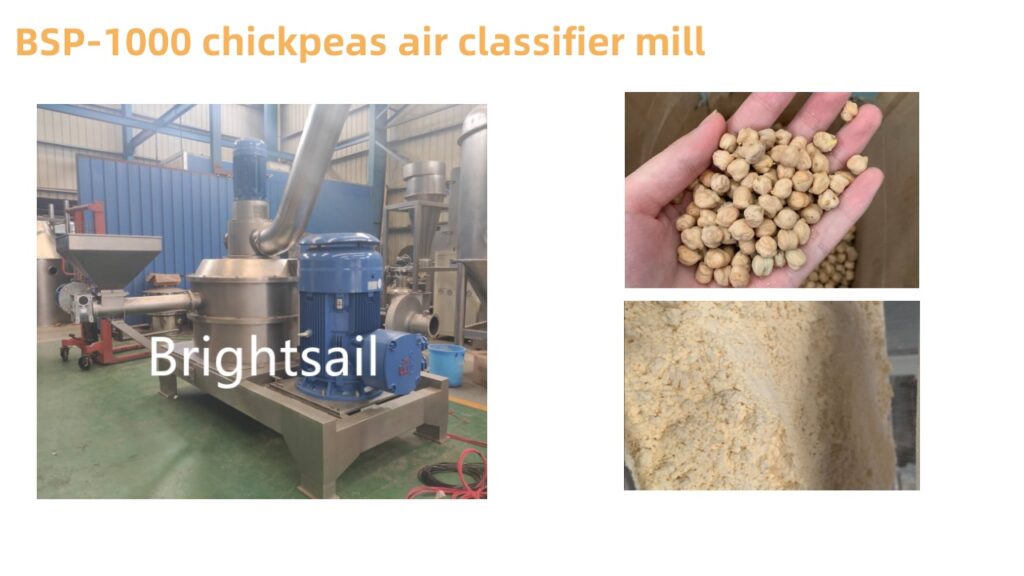
Middle Eastern food processing frequently involves spices and heat-sensitive materials (such as cumin, cardamom, and milk powder), necessitating precise particle and powder fineness. Chinese manufacturers are addressing these challenges through customised grinding equipment, offering:
• Advanced cooling systems to prevent thermal degradation
• Stainless steel construction compliant with food-grade standards (typically meeting international certifications like CE)
Adjustable classifiers or screen sizes enable precise control over powder fineness (10 microns to 150 microns), which is crucial for products like icing sugar or instant beverage powders.
3. Reliable Supply Chain and Logistics System
The infrastructure established under China’s Belt and Road Initiative has strengthened trade corridors with the Middle East, not only reducing transit times and lowering logistics costs but also facilitating highly efficient spare parts supply and technical support.
4. Improving Technological Parity
While European brands historically led in precision engineering, Chinese manufacturers have closed the gap considerably. Today, many Chinese mills incorporate:
- PLC control systems for automated operation.
- Energy-efficient designs (important in regions with high electricity costs).
- Robust construction suitable for harsh desert climates (dust resistance, cooling adaptations).
5. Robust after-sales service and localised support
China’s leading machinery manufacturers now provide operating manuals in multiple languages, on-site installation services and training programmes – addressing historical shortcomings. Numerous enterprises also offer bespoke solutions for Middle Eastern speciality products, such as date powder or za’atar spice blends.
Case Example: A Spice Processor in Dubai
A medium-sized spice company in Dubai recently replaced its older European mill with a Chinese air classifier mill. The results included:
- 40% reduction in equipment acquisition cost.
- Finer, more consistent particle size for premium spice blends.
- Local technical support available within 48 hours.
- Higher throughput with lower energy consumption per kilogram.
Looking Ahead
As the Middle East continues to position itself as a global food hub, the partnership with Chinese machinery suppliers is likely to deepen. Future trends may include:
- Smart factory integration (IoT-enabled mills for predictive maintenance).
- Greater focus on hygiene design for allergen control.
- Renewable energy-powered mills, aligning with regional sustainability goals (e.g., Saudi Vision 2030).

FAQ
Q1: Are Chinese air classifier mills reliable for food-grade production?
Yes, many Chinese manufacturers now produce mills with high-grade stainless steel (316L), polished surfaces, and designs that meet international food safety standards. It’s essential to verify certifications (e.g., CE, ISO) and request material test reports.
Q2: How does the maintenance support work for Middle Eastern buyers?
Most reputable Chinese companies offer remote troubleshooting, video support, and local agent assistance. Many stock wearing parts (like grinding nozzles and classifier wheels) in regional warehouses for quick replacement.
Q3: Can Chinese mills handle the grinding of oily or heat-sensitive Middle Eastern ingredients?
Yes. Modern Chinese mills often come with cryogenic grinding options (liquid nitrogen cooling) and anti-clogging designs for oily materials like nuts, sesame, or certain spices.
Conclusion
The preference for Chinese air classifier mills in Middle Eastern food factories is not merely a price-driven decision but a strategic one—combining affordability, improving technology, and tailored regional support. As both regions continue to strengthen trade ties, this partnership is set to enhance the quality, efficiency, and global competitiveness of Middle Eastern food products.