
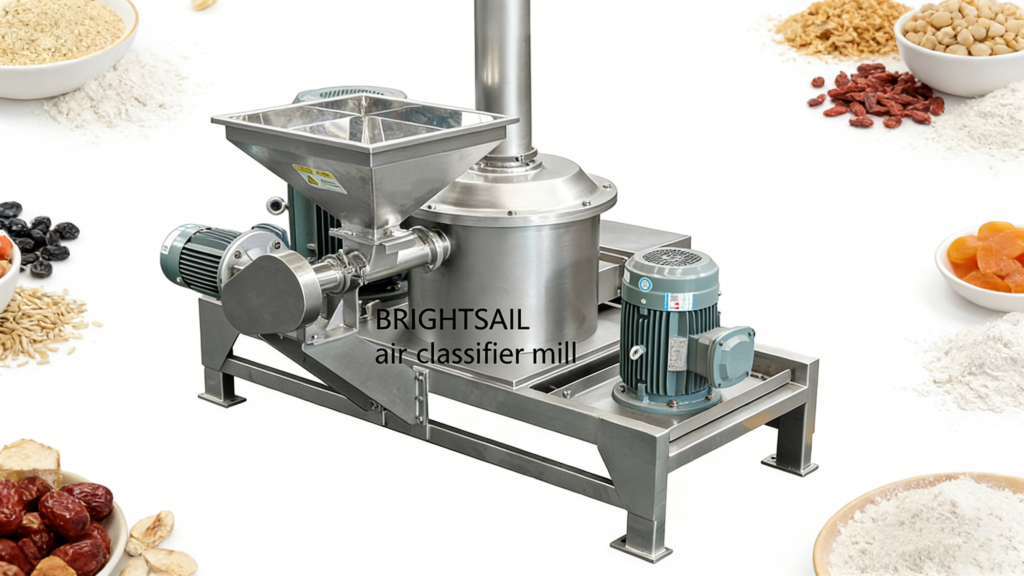
The global functional food market is booming, driven by rising health consciousness and demand for nutrient-rich, bioactive ingredients. In this landscape, processing technology plays a pivotal role in preserving the functionality and bioavailability of these delicate components. Air classifier mills have emerged as a critical technology for particle size reduction and classification, ensuring optimal texture, solubility, and stability. This blog explores the latest trends and innovations shaping the future of air classifier mills in functional food processing.
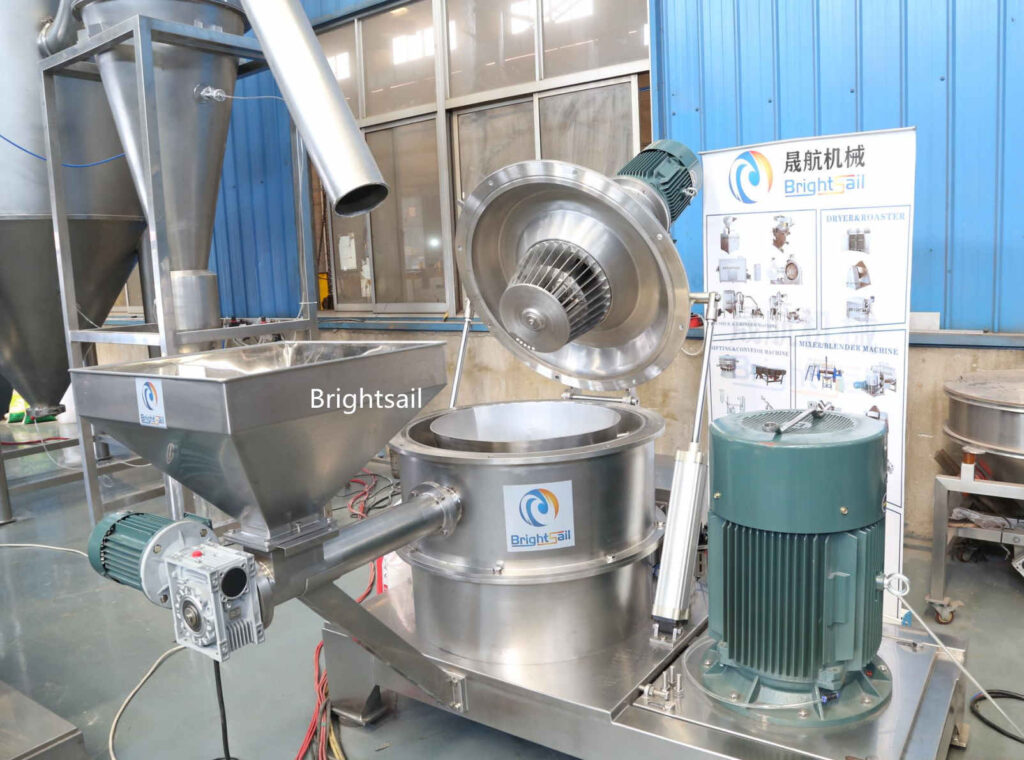
1.Precision Particle Engineering
Modern air classifier mills no longer serve merely to pulverise materials; they enhance mixing uniformity by achieving strictly controlled particle size distributions (PSD). Breakthroughs in classifier wheel design and airflow control have enabled submicron-level adjustment—a capability crucial for raw materials such as probiotics, vitamins, and plant proteins.
2. AI-Driven Process Optimization
The integration of Artificial Intelligence (AI) and Machine Learning (ML) is revolutionizing mill operation. AI algorithms analyze real-time data from sensors monitoring pressure, temperature, feed rate, and particle size. They can predict maintenance needs, auto-adjust parameters for consistent product quality, and optimize energy consumption. This leads to smarter, more sustainable production with minimal waste.
3. Hygiene and Aseptic Design
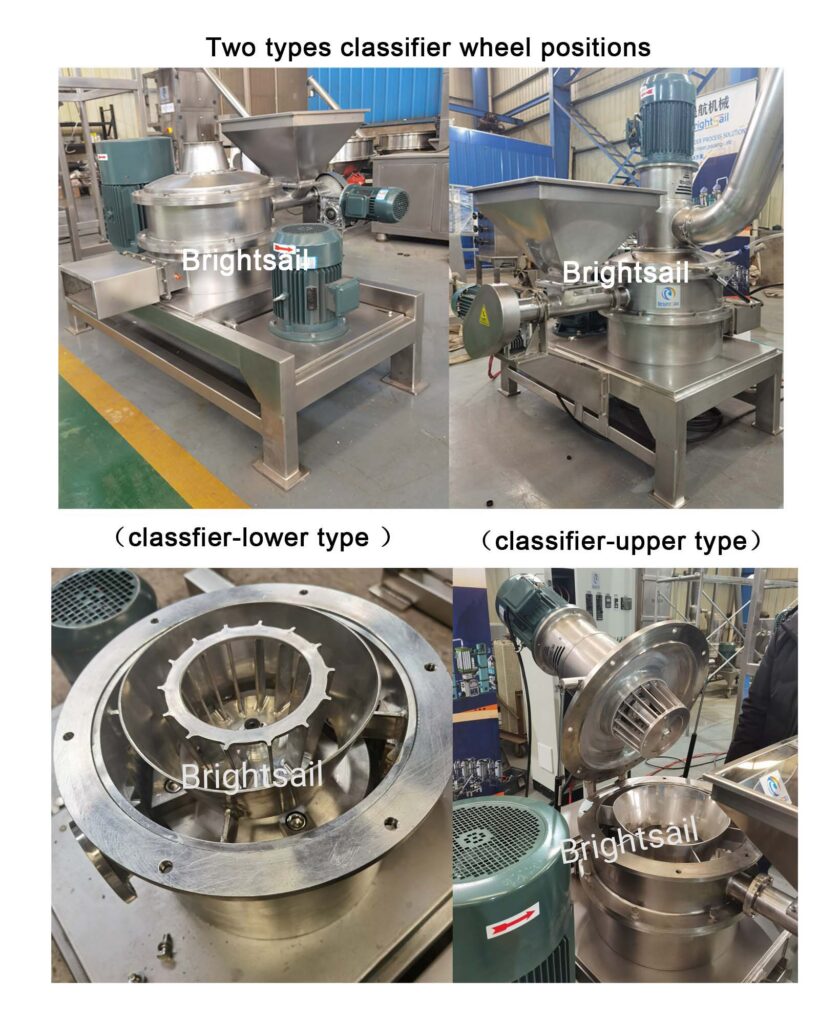
For sensitive functional ingredients, contamination risk is a primary concern. The new grinding equipment features fully polished surfaces, incorporates CIP (Clean-in-Place) and SIP (Sterilisation-in-Place) capabilities, and optimises processes through dead-space-free design. The selection of compliant materials and the latest sealing technology ensure powder product quality while strictly adhering to food safety standards.
4. Energy Efficiency and Sustainability
New equipment is dedicated to reducing carbon footprints. Innovative technologies include motors, airflow systems (minimising pressure drop), and heat recovery mechanisms. Certain systems operate using inert gases, suitable for oxygen-sensitive materials, thereby reducing oxidation reactions and nutrient loss.
5. Multi-functional Modular System
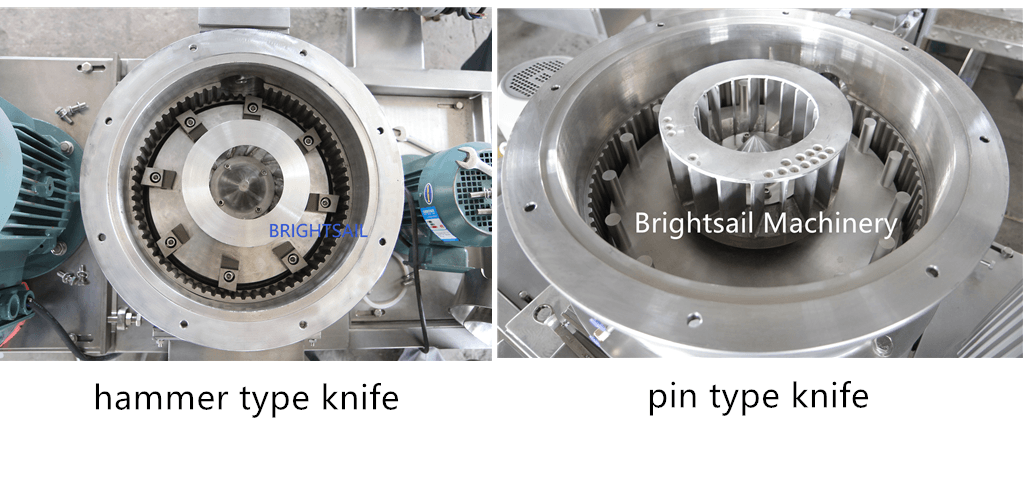
Flexibility is paramount. Modular air classifying mills can be rapidly reconfigured to accommodate varying raw materials and fineness requirements. The system integrates drying, grinding and coating processes into a single continuous production line, thereby minimising material handling.
Conclusion
Within the functional food processing sector, the future of air-classifying mills will be defined by intelligent precision, unparalleled hygiene standards, and sustainably efficient equipment. These advanced grinding solutions will become indispensable. Selecting the latest air-classifying mills represents not merely an equipment upgrade, but a strategic investment in product quality, innovation capabilities, and the future of the food manufacturing industry.