
In the industrial spice processing industry, a widespread misconception has misled countless buyers and manufacturers: all spices require liquid nitrogen cryogenic grinding to produce qualified powder. Many customers blindly invest in expensive spice cryogenic grinding machine systems, assuming ultra-low-temperature milling is a standard requirement for spice production.
In fact, cryogenic grinding with liquid nitrogen comes with extremely high equipment investment, expensive operating costs, and continuous consumption expenses. Blindly deploying a full nitrogen cooling production line often leads to over-investment, idle production capacity, and cost inversion, seriously squeezing profit margins.
The truth is that spice milling has two completely independent processing scenarios. Most conventional low-oil and dry spices can be perfectly processed by ordinary powder grinder and powder grinder machine with cold air systems, including hammer mills, air classifier mills, and contraplex pin mill models. Only ultra-high-oil luxury spices and high-end export-grade spice products mandatorily require cryogenic grinding technology.
This article aims to help global spice processors achieve accurate equipment selection, effectively control production budgets, avoid common investment pitfalls, and match the most cost-effective processing solution according to actual materials and production capacity.

1. Why Most Customers Misunderstand Spice Cryogenic Milling
The industry-wide misunderstanding of nitrogen cryogenic grinding mainly stems from three core factors, which cause customers to overestimate the necessity of ultra-low-temperature processing.
First, most equipment suppliers only promote the outstanding advantages of cryogenic grinding in aroma retention and anti-sticking performance, forming a one-sided market perception that low-temperature milling is superior for all spices.
Second, most buyers cannot distinguish the essential physical differences between oil-prone spices and dry conventional spices. They fail to recognize that different spices have completely different heat resistance, oil content, and milling adaptability.
Third, customers lack a clear understanding of the huge cost gap between ordinary cold air grinding and liquid nitrogen cryogenic grinding, ignoring the high long-term operating costs of nitrogen systems.
In our daily foreign trade inquiries, we frequently receive requests from customers who explicitly ask for a low-temperature spice grinding machine for spice processing. However, most buyers do not have a clear, accurate definition of “low-temperature grinding”. Many customers blindly pursue cryogenic equipment without evaluating their own materials and production scale. In fact, for many small-batch spice products and common low-oil spice milling projects, ultra-low-temperature cryogenic grinding is completely unnecessary and even counterproductive. Excessively low temperature for ordinary small-scale spice processing will not bring quality improvement, but only cause unnecessary investment waste and complicated production processes.
More importantly, many spice sticking problems are not caused by high grinding temperature. For example, chili powder sticking inside the spice grinder is usually caused by excessive raw material moisture, rather than frictional heat. Excessively wet raw materials will adhere to the machine cavity regardless of cooling methods, which is a typical material pretreatment problem, not a equipment temperature problem.
2. Spices That Do NOT Need Liquid Nitrogen Cryogenic Grinding (Cold Air Milling Is Fully Sufficient)
For 95% of conventional commercial spices with low oil content and medium-low heat sensitivity, ordinary cold air-assisted grinding is completely competent for stable mass production. Multiple types of grinder machine can be selected according to material characteristics, with flexible and cost-effective solutions.
Applicable conventional spice materials: Chili, turmeric, black pepper, cumin, coriander seeds, various dry herbal spices, and mixed compound seasonings.
Different processing equipment has its own targeted advantages for different conventional spices, forming a differentiated matching system:
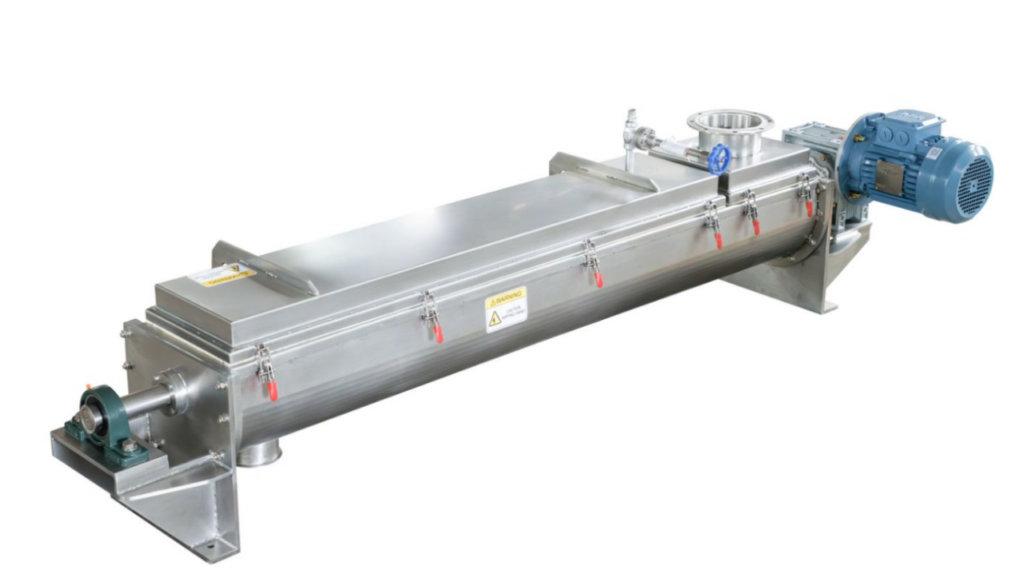
Hammer Mill: It features strong universality and wide material adaptability. Most small and medium-sized spice factories prefer hammer mills because of their cost performance and stable operation for most daily spice milling tasks. It is the most mainstream and practical powder grinder machine for general spice production.
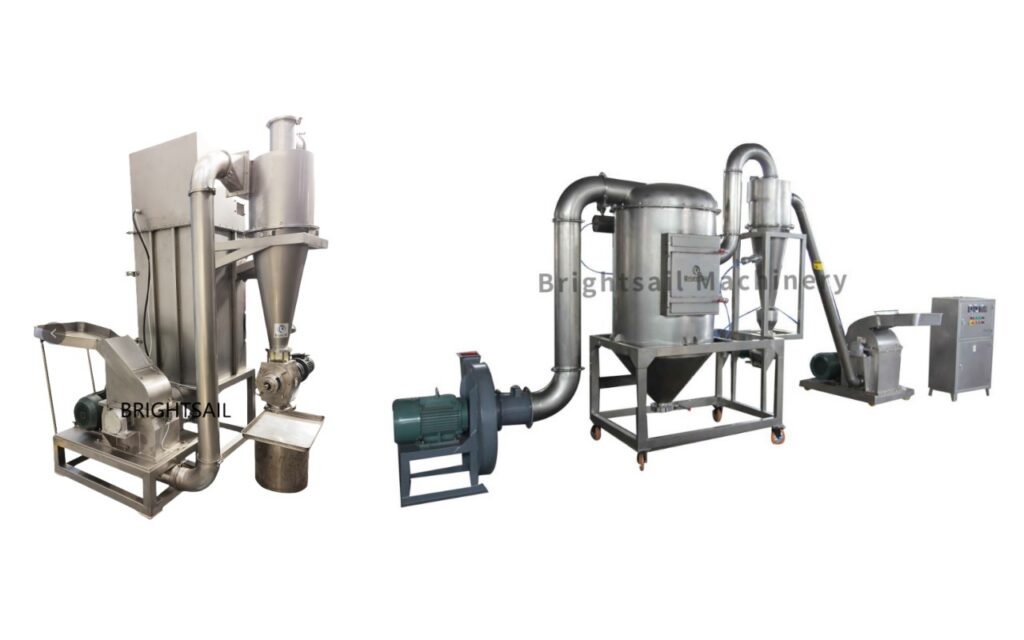
Air Classifier Mill (ACM): This mill is more suitable for milling fibrous materials such as turmeric and ginger. However, it is not applicable for oily seeds like chili, cumin, and coriander seeds, as residual grease will easily cause cavity sticking and blockage, restricting continuous production.
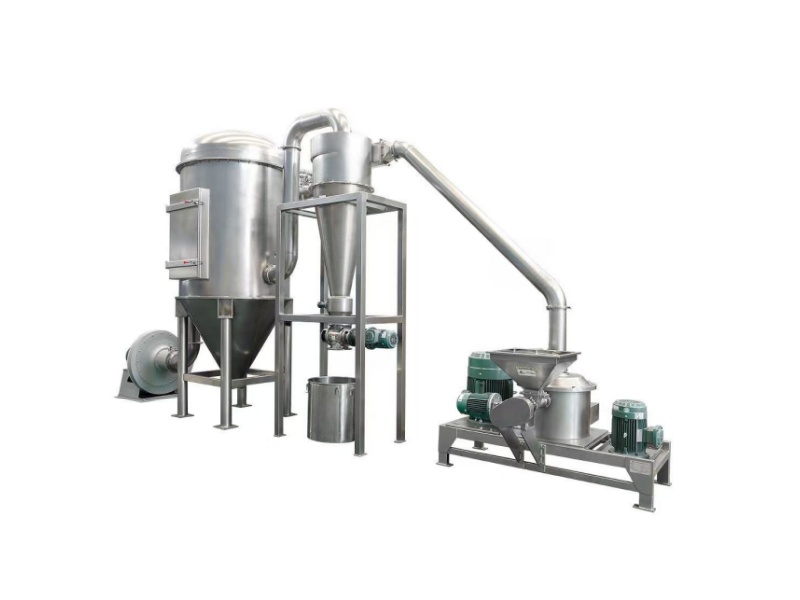
Turbo Mill: With a unique internal cavity structure, the turbo mill has excellent heat dissipation performance, which is friendly for conventional spice processing. But it has strict requirements on raw material particle size and cannot process oversized materials.
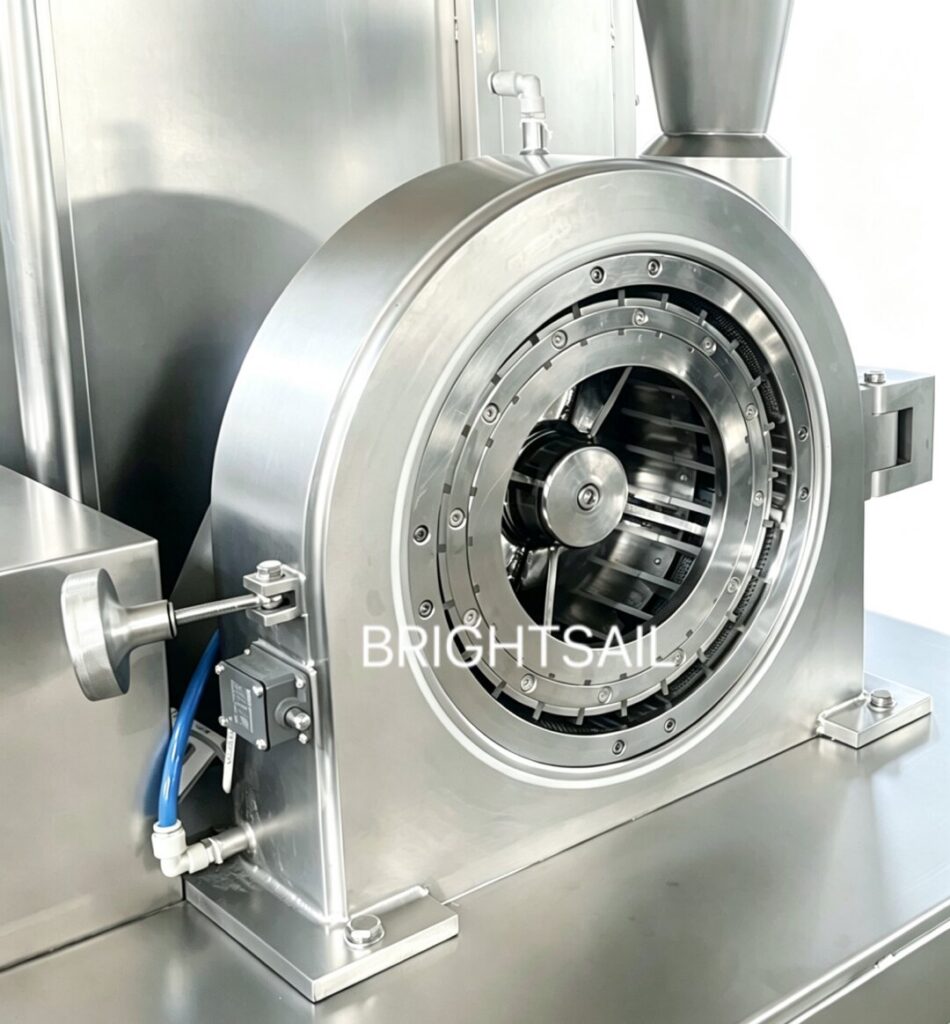
BSZ Contraplex Pin Mill: As a professional screen-free pin mill, it adopts instant impact grinding with extremely short material residence time and low heat generation. Equipped with an external cold air supply system, it can effectively take away frictional heat, completely avoid material sticking and cavity blockage, and retain spice aroma well. However, it is not suitable for high-fiber materials like ginger and turmeric, and has certain restrictions on raw material size.
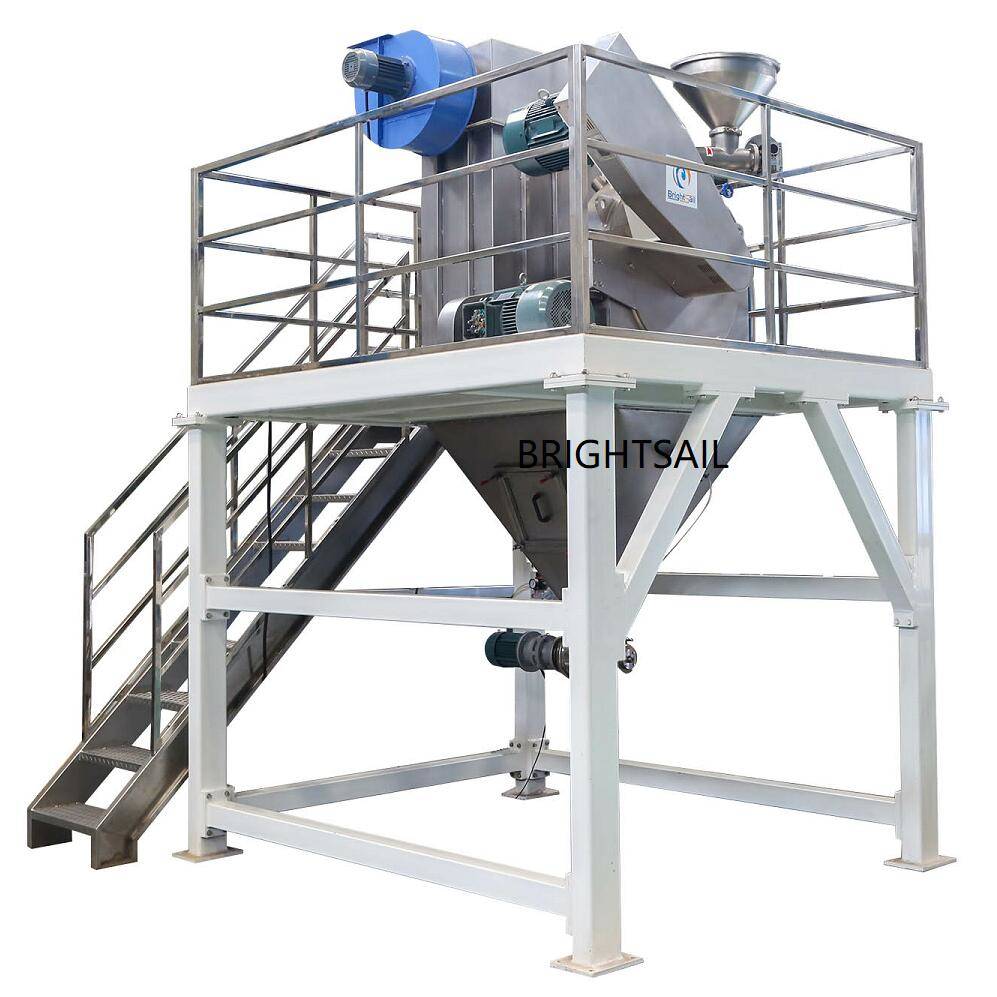
In actual industrial deployment, small and medium-sized customers with limited budgets usually choose a single universal hammer mill to meet daily production needs. Large-scale manufacturers with sufficient investment will configure multiple types of professional spice grinder equipment to target different spice materials and achieve refined production.
3. Spices That MUST Adopt Liquid Nitrogen Cryogenic Grinding
Only ultra-high-oil, high-value, heat-sensitive luxury spices cannot be processed by ordinary cold air grinding, and mandatorily require professional spice cryogenic grinding machine systems.
Core applicable materials: Nutmeg, cardamom, and other high-end essential oil-rich luxury spices.
These special spices have inherent processing pain points that cold air milling cannot solve at all: their internal essential oil content is extremely high. Even with standard cold air auxiliary cooling, frictional heat during high-speed milling will still cause continuous oil precipitation. Slight temperature rise will lead to massive volatile essential oil loss, fading the unique spice aroma, downgrading product quality, and greatly reducing commercial value, making the finished powder fail to meet high-end market export standards.
In addition to high-oil luxury spices, spices for pharmaceutical grade and special industrial applications also require mandatory cryogenic grinding. For medicinal spices and special-purpose spice powders, downstream industries have extremely strict and fixed requirements on final powder oil content, ingredient activity, and purity. Ordinary ambient or cold-air grinding inevitably generates frictional heat, causing unstable oil precipitation and active ingredient attenuation, which fails to meet pharmaceutical and special industry standards. In such high-standard application scenarios, liquid nitrogen cryogenic grinding is indispensable to control consistent oil content and preserve full active ingredients.
Liquid nitrogen cryogenic grinding solves these fundamental problems perfectly. The ultra-low temperature freezes and solidifies the internal grease of luxury spices, turning oily and soft materials into brittle particles. It completely eliminates oil precipitation from the source, locks 100% of the precious essential oil and original aroma, and ensures the finished powder has uniform fineness, pure color, and stable quality for long-term storage and cross-border sea transportation.
4. Core Comparison: Cold Air Milling VS Liquid Nitrogen Cryogenic Grinding
The two processing technologies have huge differences in investment, operation, and application scenarios, which directly determine customer profitability:
Investment Cost: Ordinary cold air powder grinder equipment has low initial investment and simple configuration. The full set of cryogenic grinding system requires high matching costs for nitrogen supply equipment and refrigeration accessories.
Operating Cost: Cold air milling only consumes electricity, with almost no additional cost. Liquid nitrogen is a high-consumption and high-cost material, resulting in long-term high operating expenses.
Applicable Materials: Cold air grinding covers 95% of dry and low-oil conventional spices. Cryogenic grinding is only targeted at ultra-high-oil luxury spices.
Aroma Retention Effect: Cold air milling meets the aroma standard of civilian and mid-end spices. Cryogenic grinding achieves top-level aroma retention for high-end premium products.
Continuous Production: Cold air equipment supports stable long-term production for conventional materials. Cryogenic grinding enables non-stop production of high-oil spices that cannot be processed by ordinary grinder machines.
Suitable Production Capacity: Cold air milling fits small, medium and large batch production. Cryogenic grinding is only cost-effective for large-scale and high-value spice production.
5. Professional Purchasing Advice: How to Control Investment Budget Reasonably
For small-batch production and conventional spice processing, blindly investing in cryogenic systems is unnecessary. The most cost-effective solution is to equip ordinary spice grinder with external cold air injection cooling. Compared with water-cooled jacket (which has extremely limited cooling effect), direct cold air delivery into the grinding cavity can efficiently take away frictional heat with lower cost and better practicability.
For common slightly oily seed spices such as cumin and coriander seeds, conventional cold air contraplex pin mill can fully meet mass production requirements without nitrogen cooling.
For ultra-high-oil luxury spices and high-end export-oriented spice powder production, liquid nitrogen cryogenic grinding is the only reliable industrial solution to guarantee product quality and market competitiveness.
In terms of regional adaptation: For countries and regions lacking stable and affordable industrial nitrogen suppliers, local cryogenic production costs will be sky-high. We strongly recommend customers in these areas to import finished high-quality luxury spice powder instead of investing in uneconomical local cryogenic production lines.
6. Common Investment Pitfalls to Avoid
Many spice processing customers fall into typical investment misunderstandings, resulting in wasted costs and unqualified products:
Blindly pursuing high-end cryogenic equipment regardless of actual material characteristics, resulting in excessive configuration and wasted investment.
Small-capacity factories forcibly deploying full nitrogen cryogenic systems, leading to extremely low return on investment and long-term cost losses.
Mistakenly believing cold air grinding has the same effect as cryogenic grinding, forcing high-oil spices to be processed by ordinary powder grinder machine, resulting in oil precipitation, sticking and unqualified powder quality.
Ignoring process balance: Excessively low cryogenic temperature leads to ultra-low powder discharging temperature, causing strong moisture absorption and caking during storage and sea transportation, which destroys finished product stability.
7. Conclusion
Liquid nitrogen cryogenic grinding is not a universal standard configuration for spice milling, but a high-end targeted process for special high-oil spice materials. 95% of conventional dry and low-oil spices can achieve stable, low-cost, and high-quality mass production through ordinary cold air-assisted spice grinder, pin mill, and other powder grinder equipment.
Only high-oil, high-value, export-grade luxury spices, as well as pharmaceutical-grade and special-purpose spices with strict oil-content requirements, require professional spice cryogenic grinding machine systems. The most scientific equipment selection logic is to comprehensively match material characteristics, powder application standards, production capacity, and local industrial supporting conditions, helping customers minimize investment costs and maximize product profits.