

Introduction
Within the rapidly evolving battery materials sector, classification technology plays a decisive role in determining product quality and performance. In recent years, air classifiers mill have progressively replaced certain conventional mechanical classification equipment, emerging as the preferred technology for processing electrode materials such as cathode and anode active materials.
Limitations of Mechanical Classifiers
Mechanical classifiers rely on physical screens to separate particles and powders.
- Screen clogging issues: Battery materials (such as lithium iron phosphate, nickel-magnesium-copper, and graphite) often exhibit adhesive properties, leading to screen blockages and reduced production efficiency.
- Particle size limitations: Mechanical screening struggles to handle micron-scale ultrafine powders and particles (<10μm), whereas modern battery materials often require submicron-level precision grading.
- Risk of wear contamination: Mechanical contact may introduce metallic contamination, compromising the chemical purity of battery materials.
- High energy consumption and maintenance costs: Continuous operation causes rapid screen wear, necessitating frequent screen replacements and increasing downtime.
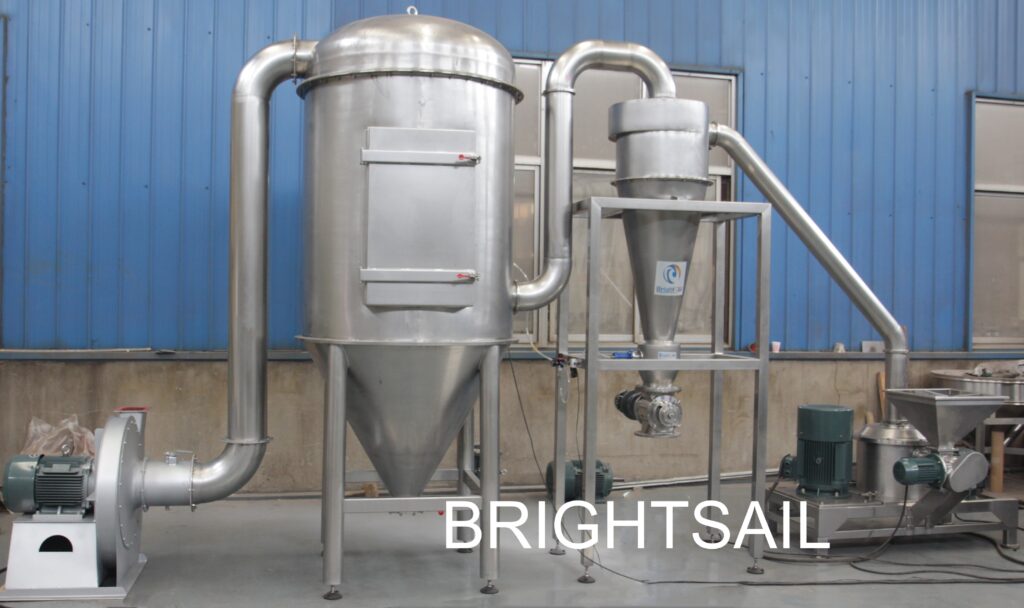
Technical Advantages of Air Classifier Mills
1. Enhanced grading capability, capable of separating powders within the 1-100μm range, suitable for producing electrode materials with high consistency.
2. Non-contact grading prevents contamination; the entire process involves no mechanical contact, reducing the risk of metallic contamination and ensuring chemical purity.
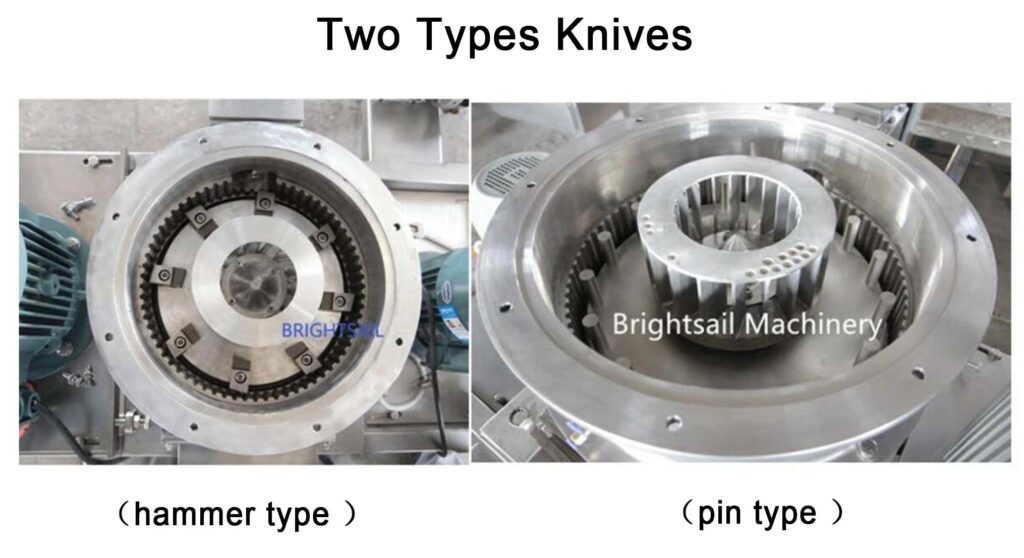
3. Integrated design saves space, often combining grinding and classification functions within a single unit to streamline processes and minimise contamination.
4. Intelligent control system supports real-time adjustment of airflow and rotational speed, flexibly adapting to diverse material formulations and custom requirements.
Conclusion
Air classifiers mill are progressively replacing conventional mechanical classifiers in battery material processing due to their precise grading capabilities, pollution-free operation, and efficient material handling. This transition represents not only technological advancement but also a direct response to industry demands for enhanced consistency. With the emergence of new materials such as solid-state batteries and high-energy-density cathodes, air classification technology is poised to become a standard configuration in battery material preparation.